
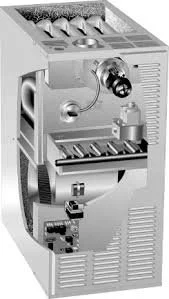
The Lennox G24M2-75S-10 is a mid-efficiency (approximately 80% AFUE), multi-position gas furnace from the G24M series. It features SureLight hot surface ignition (silicon nitride igniter), tubular aluminized steel heat exchanger, and is designed for natural gas operation (with optional LP/propane conversion kit). The "-S" suffix typically indicates a specific configuration or revision (e.g., certain blower or control features), and "-10" often denotes a series or voltage variant (e.g., 120V single-phase).
This model is part of the older G24M lineup (produced around the late 1990s to early 2000s), now considered legacy equipment. It supports upflow, downflow, or horizontal installation and pairs with add-on cooling up to about 3-4 tons depending on blower performance.
Key Equipment Specifications
Model: G24M2-75S-10 (G24M2-75 variant)
Type: Mid-efficiency, induced draft, multi-position gas furnace
Fuel: Natural gas (factory-equipped); LP/propane requires field conversion kit
Input Rating: 75,000 BTU/hr
Output Rating: Approximately 61,700 BTU/hr (heating capacity)
Efficiency (AFUE): ~80-80.1% (varies slightly by exact sub-model)
Flue Size: 4 inches (102 mm) round
Temperature Rise Range: 45–75°F (25–42°C)
Blower: Direct-drive, multi-speed PSC motor (typically 9 x 7 inch wheel or similar)
Ignition: SureLight silicon nitride hot surface igniter
Venting: Category I (vent connector required; single-pipe or two-pipe options depending on setup)
Dimensions (approximate for G24M-75 models):
Height: ~36inches
Width: ~17 inches (cabinet size varies; G24M2 often 17 inches wide)
Depth: ~29 inches
Filter Size: 20 x 25 x 1 inches (bottom return; minimum velocity 400 FPM)
Electrical: 120V, 1 phase; blower typically 1/3–1/2 HP
Manifold Pressure (natural gas at sea level): 3.5 in. w.c.; LP: 9.5 in. w.c.
High Altitude Adjustments: Manifold pressure derates above 2000 ft; pressure switch may need replacement above 4500 ft (part 88J8001 for 75k models)
Safety Features: Primary/secondary limits, flame rollout switches (manual reset), pressure switch, door interlock
Service and Maintenance Instructions
Safety Warning: Gas furnaces involve combustion, high voltage, and pressurized gas. All service, repairs, or adjustments must be performed by a qualified HVAC technician. Shut off gas and power before any work. Follow local codes (e.g., CSA in Canada, NFPA/ANSI in US). Improper service can cause fire, explosion, CO poisoning, or equipment damage.
Routine Maintenance (Annual or as Needed)
Air Filter — Inspect and replace/clean every 3–6 months (or more in dusty areas). Use proper size/rating to avoid restricted airflow.
Venting System — Check flue pipe, vent connector, and chimney for blockages, corrosion, leaks, or poor draft. Ensure proper slope (1/4 inch per foot) and support. Clean as needed.
Burner and Heat Exchanger — Visually inspect for soot, corrosion, or cracks (professional service recommended). Clean burners if dirty (remove assembly, brush or vacuum).
Igniter — Check silicon nitride igniter for cracks or white spots; test resistance (typically 40–100 ohms cold).
Flame — Observe during operation: Should be steady blue with minimal yellow tipping. Adjust gas pressure if needed.
Blower — Clean wheel and compartment of dust/lint. Lubricate motor if ports exist (most are sealed).
Controls/Limits — Test primary/secondary limits and rollout switches. Reset rollout switches only after diagnosing cause (e.g., blocked vent).
Pressure Switch — Verify operation (closes on inducer start); clean ports/tubing if needed.
General — Check for gas leaks (use soap solution), ensure cabinet panels secure, verify thermostat operation.
Key Service Procedures (Technician Only)
Gas Pressure Check/Adjustment: Measure inlet (min 4.5 in. w.c. natural) and manifold (3.5 in. w.c. natural at full fire). Adjust regulator screw on gas valve.
Temperature Rise — Measure supply/return air temp difference; adjust blower speed taps to stay within rated range (check unit nameplate).
Fan Off Delay — Adjustable via dip switches on SureLight control board (factory 90 sec; options 60/90/120/180 sec).
Troubleshooting — Use control board diagnostic LEDs/codes (e.g., flashing patterns for lockout, pressure switch issues, ignition failure). Common: Check power, thermostat calls, inducer, igniter glow, flame sense.
Component Access — Remove blower door for blower/motor; vestibule panel for burners, gas valve, controls.
High Altitude — Derate input or adjust pressure per tables; replace pressure switch if over 4500 ft.